ADHD
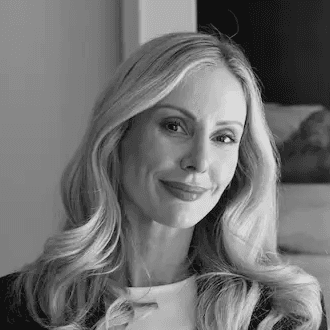
Catie Hope
31 Oct 2025

Receiving my late ADHD diagnosis at 41 was a strange mixture of relief, resentment and grief for what my life might have been with an earlier diagnosis and support. Feeling different, out of place and a failure had become business as usual, a vicious cycle of constantly trying to fit in and never succeeding. As I grew older, l was finding life more and more difficult. My coping strategies were unhealthy and only gave me temporary relief from sensations of feeling constantly overwhelmed in everyday life, bordering on the chaotic. Much of my energy was directed towards trying to mask my quirks, behaviour, and feelings that went against conventional social norms. Years of being stuck in this vicious circle had a profound effect on my self-esteem and confidence.
At school I silently struggled and earned many labels.. forgetful, chaotic, energetic, messy, disorganised, lazy, hypersensitive, impulsive, messy, and a daydreamer. Growing up in the 1980s, ADHD awareness and understanding within schools was extremely limited, and symptoms often misinterpreted.
I found the courage to consult my GP in my late 30s. Unfortunately, I was completely dismissed by my doctor and told I wasn’t ADHD. I left the appointment feeling, small and unseen and even now the memory still stirs up feelings of anger and sadness. During Lockdown in 2020 my symptoms magnified and I had a telephone appointment with a new doctor who was thankfully much more helpful. I was put on the waiting list for an assessment, which took around 8 months, followed by another few months for prescription medication. A Journey of self-discovery and intensive learning about ADHD began. If only I had started this journey years earlier.
I constantly think about my younger self who was misunderstood, criticized and shamed. As painful as this is, it’s also a way for me to heal my inner adolescent grief with the compassion and understanding I now have. I was given the advice to draft a letter to my younger self validating my traumatic experiences and offering comfort and validation. This was a cathartic experience through which I slowly began to heal my deep-rooted sadness and shame.
People’s reactions to my diagnosis were a mixed bag. The spectrum ranged from compassionate and supportive right the way to dismissive to the point of implying an ADHD diagnosis is “fashionable” and of the moment. On some occasions when I spoke openly in conversations about my new discovery, it was disregarded and subsequently never mentioned again. I love talking about ADHD but I have found it makes people uncomfortable and I look forward to a future where we can communally speak more openly about our mental health. A deeper understanding of ADHD is still needed, in order to better support each other and see ourselves for who we are.
Although I wish I’d been diagnosed much earlier, I’ve since gained a much deeper understanding of how my brain works and how to navigate life with more awareness and self-compassion. If you suspect you might have ADHD, I can’t encourage you enough to seek a proper assessment. You truly deserve to understand yourself and your brain better.